
For parents, family and friends · Free
Teach your toddler at home
ABC, 123, colours, shapes, stories, thinking skills and good habits
Simple steps to help your child learn faster, free learning videos to watch together, and easy games to play at home. Save the videos, share them with family, and add them to YouTube Kids.
Yes, your child can learn quickly
The first five years are when children learn faster than at any other time. With short, happy practice every day, many toddlers start pointing to and naming new colours, numbers and letters within a few weeks. Every child learns at their own pace, so celebrate small steps.
10 to 15 minutes a day
Short, happy sessions work better than long ones. Little and often wins.
Repeat, repeat, repeat
Toddlers love watching the same video again. Each time, they remember a bit more.
Praise every try
Celebrate effort, not perfect answers. Confidence makes children want to learn.
Learn together
Watch with your child, point, sing and talk. Your voice matters more than the screen.
Hear a child learning with these videos
Real recordings of a young child practising at home after watching the videos. Press play and hear how much little ones can pick up.
Builds: English and early reading
ABC: the alphabet
Letters are the first step to reading. Start with sounds and pictures, not writing.
When: Many children sing the ABC song by 2 to 3 and start recognising letters between 3 and 5.
How to teach it, step by step
- Watch together and point at each letter as it appears. Say the letter and its sound: "A, a, apple".
- Pause on the "Say it with me" part and let your child repeat out loud. Clap for every try.
- Use the Quiz Time part as a game. Wait a few seconds before the answer so your child can guess.
- Focus on 3 or 4 letters a week, starting with the letters in your child's name.
- Watch the same video again over several days. Repetition is how toddlers learn.
Try at home, no screen needed
- Letter hunt: find the letter of the week on cereal boxes, signs and books.
- Make letters with play dough, sticks or crayons.
- Read a picture book every day and point to the first letter of each word you read.
More videos: Learning with Fun on YouTube ↗
Builds: Maths
123: numbers and counting
Counting real things, one by one, builds the number sense that later maths depends on.
When: Many 2-year-olds can say "1, 2, 3"; counting objects to 10 usually comes between 3 and 4.
How to teach it, step by step
- Count along with the video and hold up a finger for each number.
- After the video, count real objects: 3 spoons, 4 shoes, 5 grapes. Touch each one as you count.
- Ask "How many?" at the end and let your child give the last number. That is the key idea of counting.
- Go slowly: master 1 to 5 before 1 to 10.
Try at home, no screen needed
- Count stairs out loud as you climb them.
- Lay the table together: "one plate for each person".
- Play "more or less": which plate has more grapes?
Quick videos (under a minute)
More videos: Learning with Fun on YouTube ↗
Builds: Vocabulary and observation
Colours
Colours are easy to practise all day, because they are everywhere.
When: Many children name a few colours between 2 and 3, and most know the main colours by 4.
How to teach it, step by step
- Teach one colour at a time. Say it often: "red ball, red apple, red car".
- Sing along with the video and repeat the colour names in the "Say it with me" part.
- Play the Quiz Time part together and let your child point to the screen before the answer.
- Then ask your child to find something of that colour in the room.
Try at home, no screen needed
- Sort toys or socks by colour.
- Ask "What colour is your cup?" at mealtimes.
- Mix paints and name the new colour together.
More videos: Learning with Fun on YouTube ↗
Builds: Maths and spatial thinking
Shapes
Shapes help children notice patterns and prepare for geometry and writing.
When: Many children recognise a circle, square and triangle between 2 and 3.
How to teach it, step by step
- Start with circle, square and triangle, then add star, heart and rectangle.
- Trace shapes in the air with a finger and say the name.
- Count the sides together: "a triangle has 3 sides". This also practises counting.
Try at home, no screen needed
- Shape hunt: a plate is a circle, a window is a square, a slice of pizza is a triangle.
- Cut shapes from paper and make a picture: a house from a square and a triangle.
- Use a shape sorter toy and name each shape as it goes in.
A shapes learning video is coming to the Learning with Fun channel. Subscribe to see it first. Subscribe to Learning with Fun ↗
Builds: English speaking
First words: English vocabulary
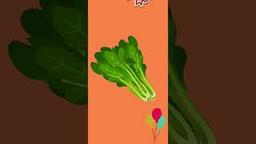
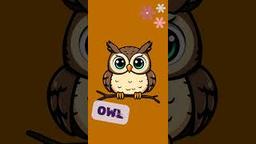
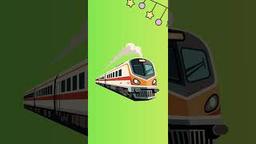
Short videos of fruits, animals, birds and vehicles give your child new words to use every day.
When: Toddlers often learn new words very quickly between 18 months and 3 years.
How to teach it, step by step
- Watch one short video and then name the same things in real life: fruit at the shop, birds in the park.
- Answer your child's words with a slightly longer sentence: "Dog!" becomes "Yes, a big brown dog."
- Talk while you cook, dress and play. Everyday chat builds more words than any screen.
Try at home, no screen needed
- Picture book time: ask "Where is the cat?" and let your child point.
- Play "I spy" with simple words.
- Sing nursery rhymes together, again and again.
Quick videos (under a minute)
More videos: Learning with Fun on YouTube ↗
Builds: Listening, attention and memory
Stories: listening and attention
Short play-along stories teach children to listen carefully, follow clues and remember what happened.
When: Many 3-year-olds can follow a short story and answer simple questions about it; attention grows a little every month.
Who Answered Pip's Whistle? The Little Train and the Lost Puppy
5 minutes · Pip Along Adventures · 21 Nov 2026
How to teach it, step by step
- Before you press play, say "Listen carefully, I will ask you a question at the end."
- Join in when the story asks: spot the paw prints, point to the wiggling sunflower, guess the sound.
- Pause once or twice and ask "What do you think happens next?"
- After the story, ask your child to tell it back: "Who did Pip find? Where was his home?"
Try at home, no screen needed
- Sound game: close your eyes and guess sounds around the house (a door, water, a spoon in a cup).
- Give a two-step instruction: "Pick up the teddy and put it on the chair." Then try three steps.
- Read a bedtime story every night and let your child finish familiar sentences.
More videos: Pip Along Adventures on YouTube ↗
Builds: Analytical skills
Thinking and problem-solving skills
Analytical thinking starts with matching, sorting and spotting patterns. These games need no screen.
When: Matching and sorting games suit children from about 18 months; simple patterns and puzzles from 2 to 3.
How to teach it, step by step
- Use the Quiz Time parts of the videos: asking your child to think before the answer builds memory and reasoning.
- Ask "why" and "what next" questions: "Why is he wearing a coat?" "What happens next in the story?"
- Let your child try a puzzle before you help. A little struggle is how problem-solving grows.
Try at home, no screen needed
- Sort toys by size, colour or type, then ask your child to explain the groups.
- Make patterns with blocks or beads (red, blue, red, blue...) and ask what comes next.
- Simple jigsaw puzzles, matching cards and "find the odd one out" games.
- Building blocks: ask "How can we make the tower taller without it falling?"
More videos: Learning with Fun on YouTube ↗
Builds: Moral values and social skills
Good behaviour and kindness
Manners, sharing and kindness are learned by example, praise and gentle practice every day.
When: Toddlers learn mainly by copying the adults around them, from the first year onwards.
How to teach it, step by step
- Model it: say "please", "thank you" and "sorry" to your child and to others.
- Praise the behaviour, not just the child: "You shared your car with your sister. That was kind."
- Name feelings: "You are sad because the game ended." This helps children manage big emotions.
- Keep simple routines and a few clear rules, and explain them calmly.
Try at home, no screen needed
- Take turns in games, and say "my turn, your turn".
- Let your child help with small jobs: putting toys away, watering a plant, feeding a pet.
- Read stories about sharing and kindness and ask "What would you do?"
More videos: Learning with Fun on YouTube ↗
A simple weekly plan
One short video and one game a day. Keep it fun and stop while your child is still enjoying it.
- Monday
- ABC video, then a letter hunt
- Tuesday
- Counting video, then count real things
- Wednesday
- Colours video, then sort toys by colour
- Thursday
- Story time, then ask "What happened?"
- Friday
- Shapes hunt around the house
- Weekend
- Repeat a favourite video, play outside, read books
Save, share and add to YouTube Kids
- Save: open a video on YouTube and tap Save to keep it in Watch later or a playlist, so it is ready whenever your child wants it.
- Subscribe: follow Learning with Fun and Pip Along Adventures to see new learning videos and stories first.
- YouTube Kids: if your child uses the YouTube Kids app, open its parent settings and approve these channels or videos for your child's profile.
- Share: send this page to grandparents, family and friends with young children.
Questions parents ask
How quickly can a toddler learn the alphabet, numbers or colours?
Every child is different, but with 10 to 15 minutes of fun practice a day, many toddlers start recognising a few colours, numbers or letters within a few weeks. Repetition and praise make the biggest difference.
What age should my child start?
You can start talking about colours, counting and letters from around 18 months to 2 years, through play and everyday chat. There is no rush: follow your child's interest.
How much screen time is OK for toddlers?
The World Health Organization advises no screen time for children under 2, and no more than one hour a day for children aged 2 to 4, with less being better. Watch together and turn each video into talking and play.
Are the videos free?
Yes. All the videos are free on YouTube. You can save them, share them with family and friends, and add them to the YouTube Kids app.
What if my child is not interested today?
Stop and try again tomorrow. Learning should feel like play. If you are worried about your child's speech or development, talk to your doctor or health visitor.
This guide is general information for parents and is not medical advice. Grown-ups learning too? Explore free practice tests and AI courses.